
Multiplying a Mission: What Makes a Franchise Concept Stand Out
Oct 21, 2026

The International Franchising Association (IFA) and FRANData recently released their economic outlook report for 2026, and the future of franchising is looking bright. According to the report, the franchise industry will surpass 845,000 operational units nationwide this year and pump more than $921 billion into the economy. Analysts also project that nearly 12,500 new franchise locations will open their doors, creating over 150,000 new jobs in the process.
Pretty impressive numbers, right? Clearly franchising is a major driver of economic growth. But when you look deeper, what’s really interesting is that certain parts of the country are growing much faster than others. The Southeast and Southwest regions of the United States are experiencing the most growth, with the Southeast expected to fuel nearly one-third of all projected franchise development. So what’s contributing to this regional boom? Let’s dig into the details and find out.
The winning formula: more people and less franchise legislation
Population migration and a lower cost of living certainly play a role in shaping these high-growth markets, as more and more people move out of high-cost, high-tax states. However, business-friendly franchise legislation is also a powerful contributing factor. Under federal law, all brands must maintain a Franchise Disclosure Document (FDD) to operate, but the administration and enforcement of this document varies greatly state by state, creating completely different operational environments depending on geography.
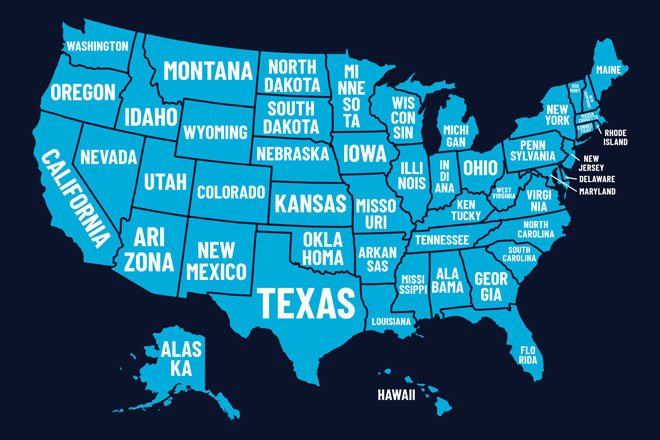
Most Sun Belt states (like Texas, Florida, and Arizona) don’t require state-level franchise registration, lengthy reviews, or annual state registration fees. This lack of franchise legislation has a massive impact on a franchisor’s bottom line and speed to market. Franchisors can legally offer and sell franchises as soon as they’ve completed the preparation of their FDD, allowing them to completely bypass the typical 45- to 90-day waiting periods often found in franchise registration states. In fact, eight of the top 10 states projected for the most growth this year don’t require franchise registration: Texas, Florida, Arizona, Ohio, Utah, Colorado, Georgia, and North Carolina.
In sharp contrast, franchise registration states like California, Maryland, Virginia, New York, and Washington handle things quite differently. They mandate a lengthy, intensive state review process of the FDD each and every year. Government examiners in many of the registration states must thoroughly audit the FDD before a single franchise can be marketed, offered, or sold. This mandated review often interrupts franchise sales for weeks – or even months – at a time during peak selling seasons, creating real speedbumps for franchisors looking to expand.
More than just regulations
But franchise legislation is only part of the story. The sheer number of people moving into the Sun Belt is reshaping local economies and creating real demand for new services. Childcare facilities, fitness centers, quick-serve restaurants, and home-maintenance services are all seeing massive growth as they fill the needs of these expanding communities. Ongoing commercial and residential development gives franchise brands the chance to secure prime territories before markets become saturated. Ultimately, it's this combination of demand, affordability, and long-term growth potential that’s driving the future of franchise development.
What should franchisors do next?
Over the next several years, franchisors should continue monitoring population shifts, local economic development, and state-level business policies. The brands that intentionally align their development strategies with these trends will be best positioned to win. The real opportunity isn't simply following where people are moving; it's understanding why they're moving there, what the franchise legislation looks like in those states, and how your franchise concept can serve those evolving communities.
For almost 30 years, FranSource has been helping businesses expand and scale their operations into national and international franchise systems. Contact us today to discuss how we can help you do the same, while seamlessly navigating complex franchise legislation.


